When evaluating long-term reliability in fluid and pneumatic systems, one of the most critical performance metrics is connect/disconnect cycle life before seal degradation. A well-engineered Ball Quick Coupling typically withstands 10,000 to 25,000 connect/disconnect cycles before measurable seal wear occurs, depending on media, pressure, and seal material. In contrast, a standard push-to-connect pneumatic fitting generally performs reliably for 5,000 to 10,000 cycles under comparable conditions. This gap in durability has significant implications for maintenance schedules, total cost of ownership, and system downtime — especially in high-frequency industrial applications.
The cycle life of a Ball Quick Coupling is governed by several interrelated mechanical and material factors. Unlike push-to-connect fittings, which rely on a collet-and-O-ring mechanism that compresses with every insertion, a Ball Quick Coupling uses hardened ball bearings to lock the coupling body. This mechanism distributes mechanical stress more evenly across the sealing surface, reducing localized wear.
Key factors influencing seal longevity include:
Many engineers also specify brass quick coupling variants for moderate-pressure pneumatic and water applications, where the inherent corrosion resistance of brass reduces debris generation and helps preserve seal surfaces over extended cycles.
Push-to-connect pneumatic fittings — commonly seen in brands of fittings following the ISO 6150-B profile — use a collet system with an integrated O-ring. Each insertion of a tube or male stem compresses and drags the O-ring, introducing micro-abrasion with every cycle. This design prioritizes tool-free speed of connection, which is ideal for low-frequency reconfiguration but less suited to high-cycle industrial automation.
Typical performance benchmarks for push-to-connect fittings under standard pneumatic test conditions (6–8 bar air, ambient temperature, clean dry air per ISO 8573-1 Class 1):
This contrasts with Ball Quick Coupling failure modes, which are more abrupt and detectable through increased connection force rather than leakage — giving maintenance teams a clearer early-warning signal before seal breach occurs.
The table below summarizes the cycle life and key sealing characteristics of Ball Quick Couplings versus push-to-connect pneumatic fittings across typical application conditions:
| Parameter | Ball Quick Coupling | Push-to-Connect Pneumatic Fitting |
|---|---|---|
| Typical Cycle Life (rated pressure) | 10,000 – 25,000 cycles | 5,000 – 10,000 cycles |
| Seal Mechanism | Ball-lock with face/radial seal | Collet + O-ring compression |
| Max Working Pressure | Up to 700 bar (hydraulic grade) | Typically 6–16 bar |
| Seal Material Options | NBR, VITON, EPDM, PTFE | NBR, EPDM, Silicone |
| Early Failure Warning | Increased connection force | Gradual leakage increase |
| Body Material (common) | Steel, stainless steel, brass | Brass, nickel-plated brass, PA |
| Connection Method | Manual sleeve pull/push | Tool-free push insertion |
| Fluid Compatibility | Hydraulic oil, water, chemicals | Compressed air, inert gases |
Understanding cycle life becomes especially important in high-frequency industrial environments. Consider the following scenarios:
In robotic welding cells or CNC tool changers, a coupling may be connected and disconnected 30 to 60 times per hour. Over a standard 250-day working year with two shifts, this translates to 360,000 to 720,000 cycles annually. A push-to-connect fitting rated at 8,000 cycles would fail within days. A Ball Quick Coupling rated at 20,000 cycles used in this context requires either premium-grade seals (VITON, reinforced PTFE) or a planned seal replacement program at defined intervals.
Hydraulic test rigs used for component qualification frequently connect and disconnect units under live pressure. In these setups, a Ball Quick Coupling with double-shutoff configuration and VITON seals is preferred. Test facilities operating at 10–20 cycles per day can expect 3 to 6 years of seal life from a high-grade coupling before scheduled maintenance is needed.
At the lighter end of the application spectrum, quick connect brass hose fittings are widely used in garden, irrigation, and light industrial water systems. These applications typically involve fewer daily cycles — often 2 to 10 per day — meaning even a standard NBR-sealed Ball Quick Coupling in a brass quick coupling body will provide 5 to 10 years of reliable service under normal usage. The inherent corrosion resistance and machinability of brass make it the preferred body material for water-contact applications in this segment.
Regardless of the rated cycle life, field performance can be significantly improved by following best practices:
The decision between a Ball Quick Coupling and a push-to-connect pneumatic fitting should not be based solely on purchase price. A push-to-connect fitting may cost 30–60% less upfront, but if it requires replacement every 5,000 cycles versus a Ball Quick Coupling that lasts 20,000 cycles, the total cost of ownership — including downtime, labor, and replacement parts — strongly favors the Ball Quick Coupling in any medium-to-high cycle application.
For low-pressure water and compressed air systems operating below 16 bar with moderate cycle frequency, quick connect brass hose fittings in a Ball Quick Coupling format offer an excellent balance of cycle life, corrosion resistance, and cost. A brass quick coupling body with NBR seals in this context is a proven, cost-effective solution widely used across plumbing, HVAC, and light industrial sectors.
For high-pressure hydraulic circuits, automated machinery, or chemically aggressive media, a stainless steel or carbon steel Ball Quick Coupling with VITON or PTFE seals is the specification of choice — delivering up to 25,000 cycles before first seal service and providing clear mechanical warning before any seal failure compromises system integrity.
Ball Quick Couplings offer 2 to 5 times the cycle life of comparable push-to-connect pneumatic fittings, with superior pressure ratings, broader media compatibility, and more predictable failure modes — making them the professional's choice for demanding, high-frequency connection applications.
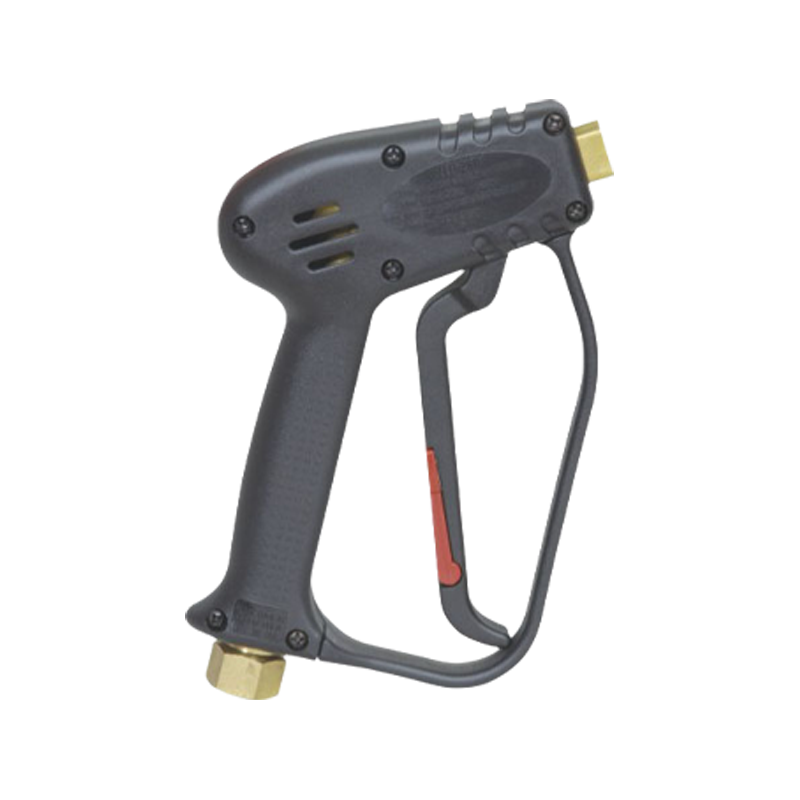
Промышленные спрей с мягким сцеплением специально предназначены для применения для очистки высокого давления, используя воду в качестве единственной среды. Эти распылительные орудия спроектированы с с...
Смотрите детали
Пистолет с триггером-плавником представляет собой инновационный водяной пистолет, разработанный специально для предотвращения замораживания водных труб высокого давления зимой. Основной особенностью я...
Смотрите детали
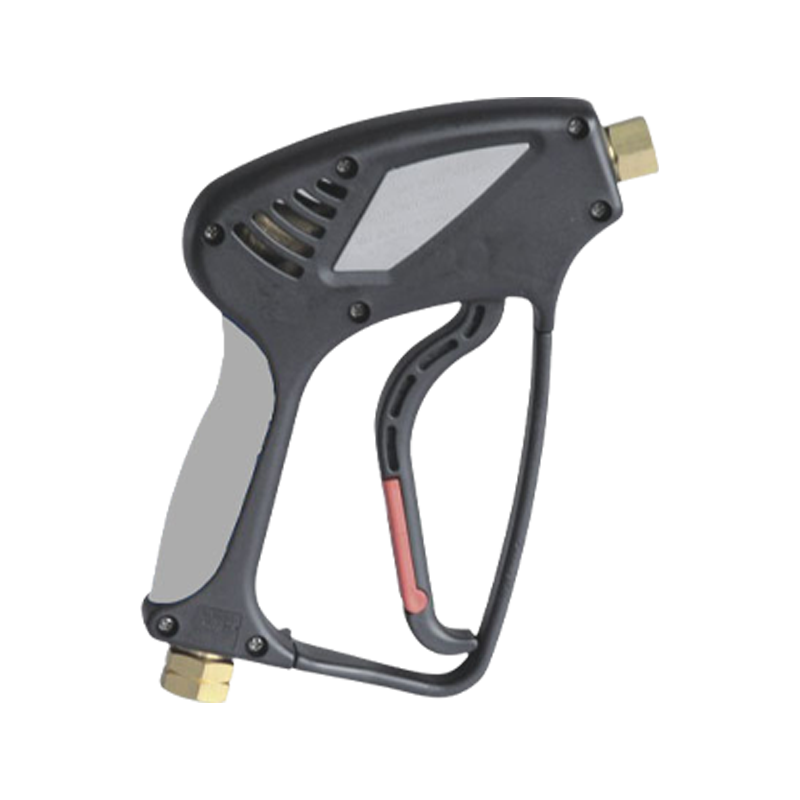
Пистолет с мощностью высокого давления - это инновационное чистящее оборудование, которое интегрирует эффективную очистку и удобную работу. Он использует поток воды высокого давления для удаления упря...
Смотрите детали
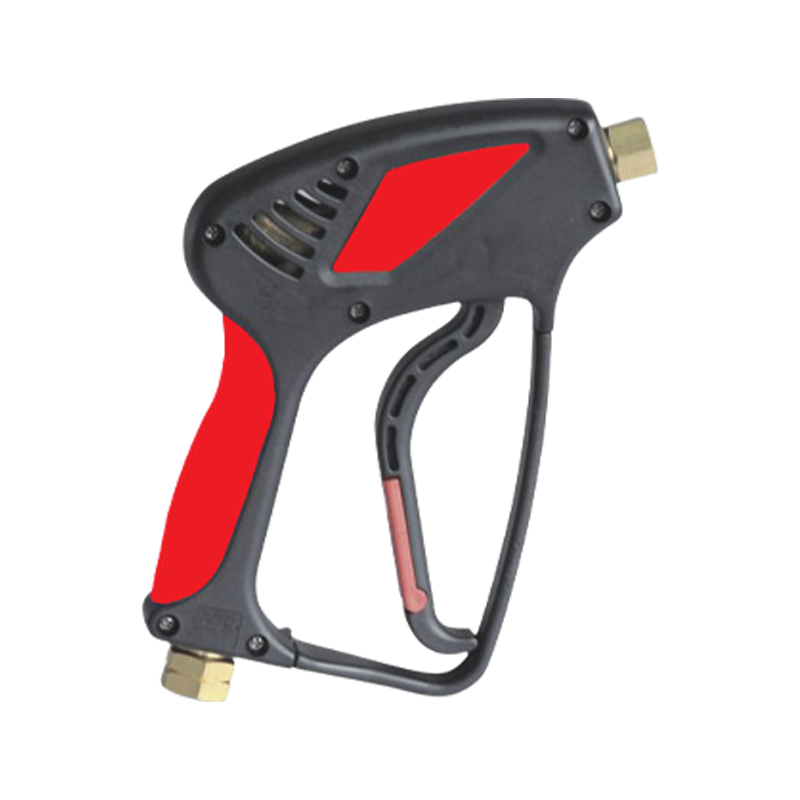
Очистка высокого давления спрей является стандартной конфигурацией машины для очистки высокого давления. Поток воды высокого давления от очистки высокого давления проходит через шланг высокого давлени...
Смотрите детали
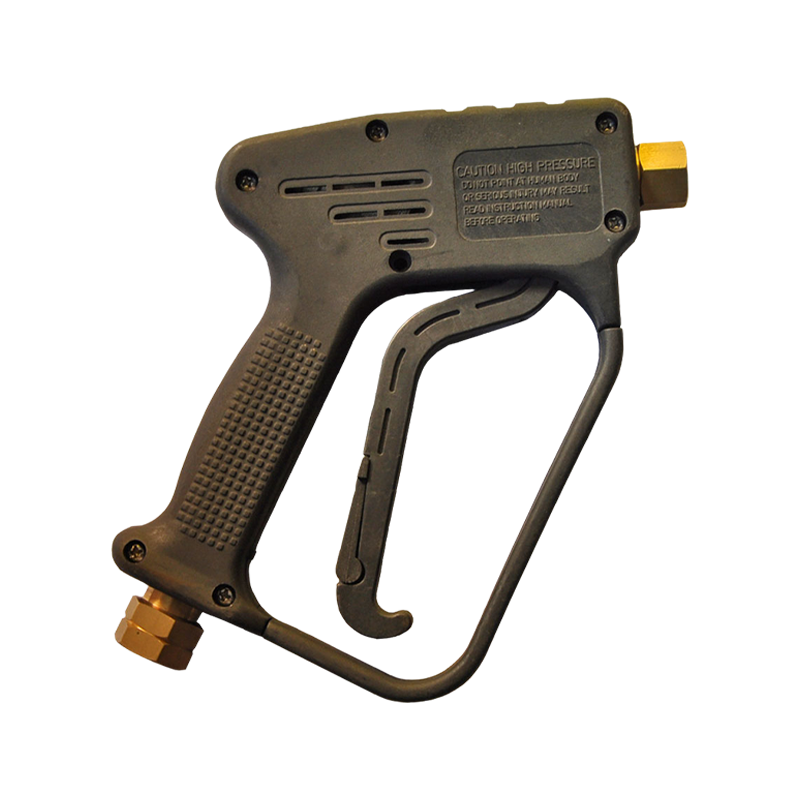
Пистолет для чистки ковров под высоким давлением — это инструмент, специально разработанный для глубокой очистки, который использует поток воды под высоким давлением для эффективного удаления грязи, п...
Смотрите детали
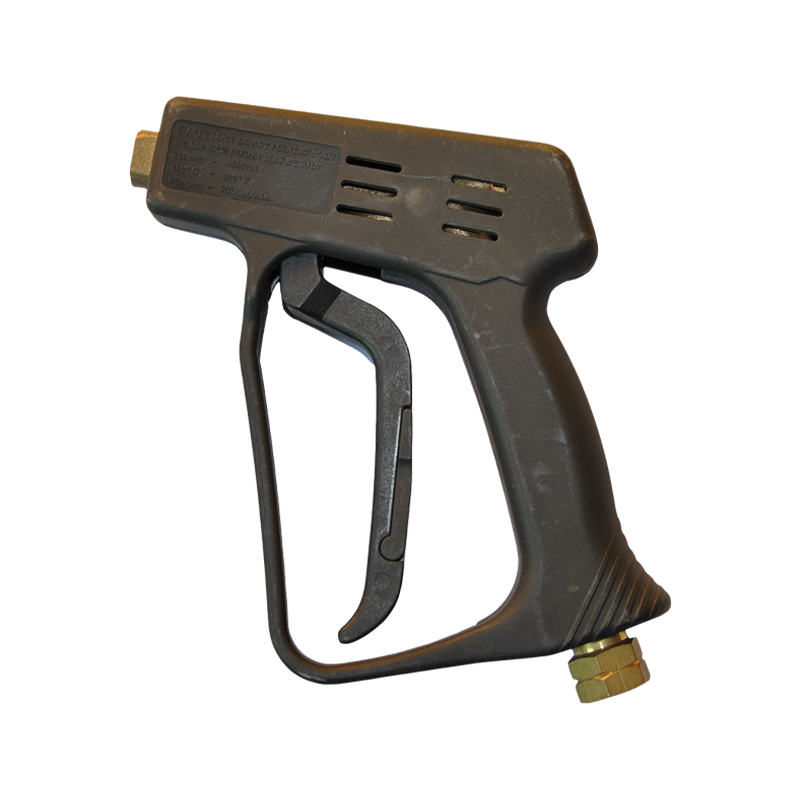
Распыление с высоким давлением высокого давления в 4500 ф/кв. дюйм представляет собой специализированный инструмент, предназначенный для задач доставки и очистки жидкости высокого давления, широко исп...
Смотрите детали
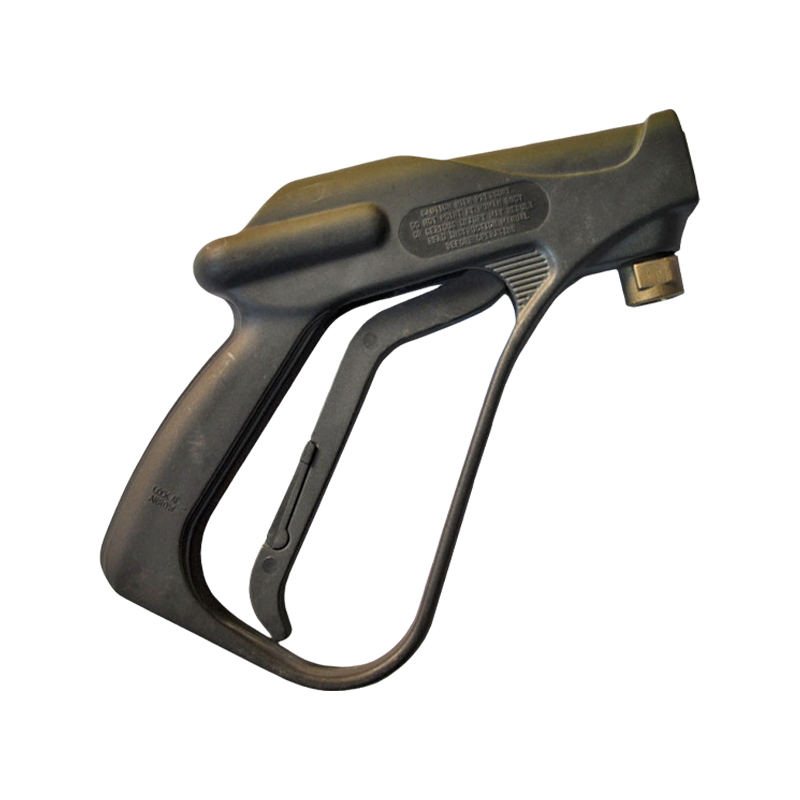
Латунный пистолет-распылитель с курком изготовлен из высококачественной латуни и оснащен точным курком. Пользователи могут регулировать скорость потока воды и угол распыления в соответствии с их потре...
Смотрите детали
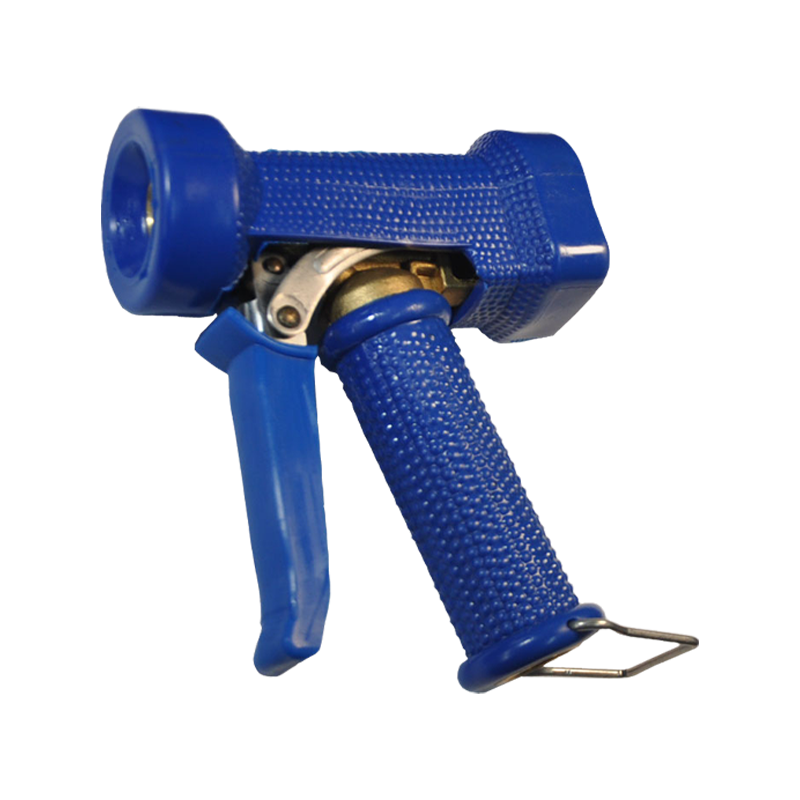
Тяжелый латунный промывочный пистолет специально предназначен для применений низкого давления, таких как садовое орошение, подавление пыли и очистка оборудования. Эргономическая ручка оснащена констру...
Смотрите детали
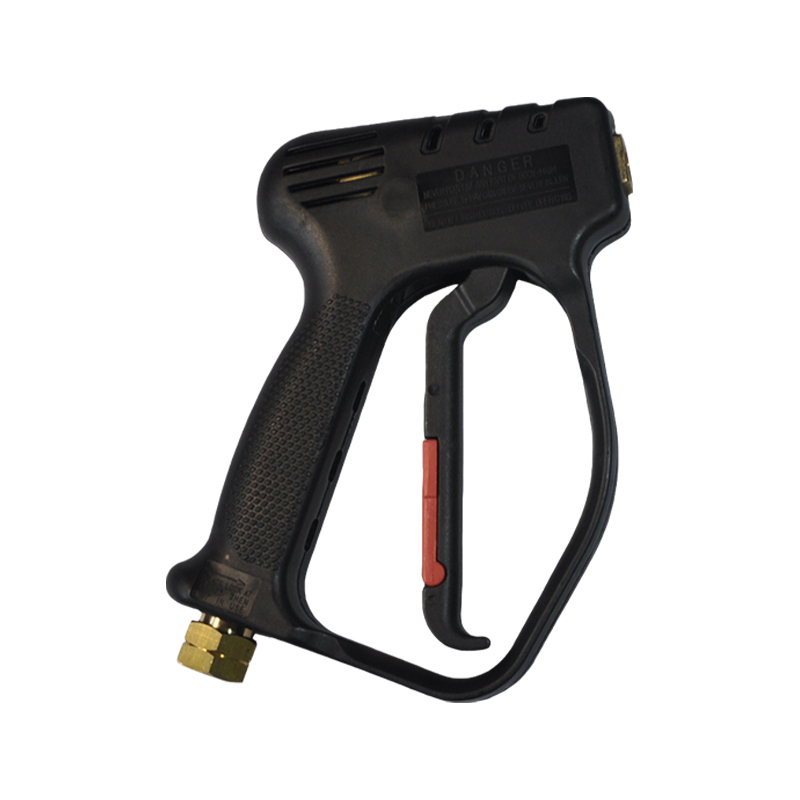
Промышленная очистка, триггерная спрей -пистолет - это эффективное и долговечное оборудование для чистки. Его внутренние компоненты герметизации изготовлены из высокопрочных материалов, эффективно ...
Смотрите детали
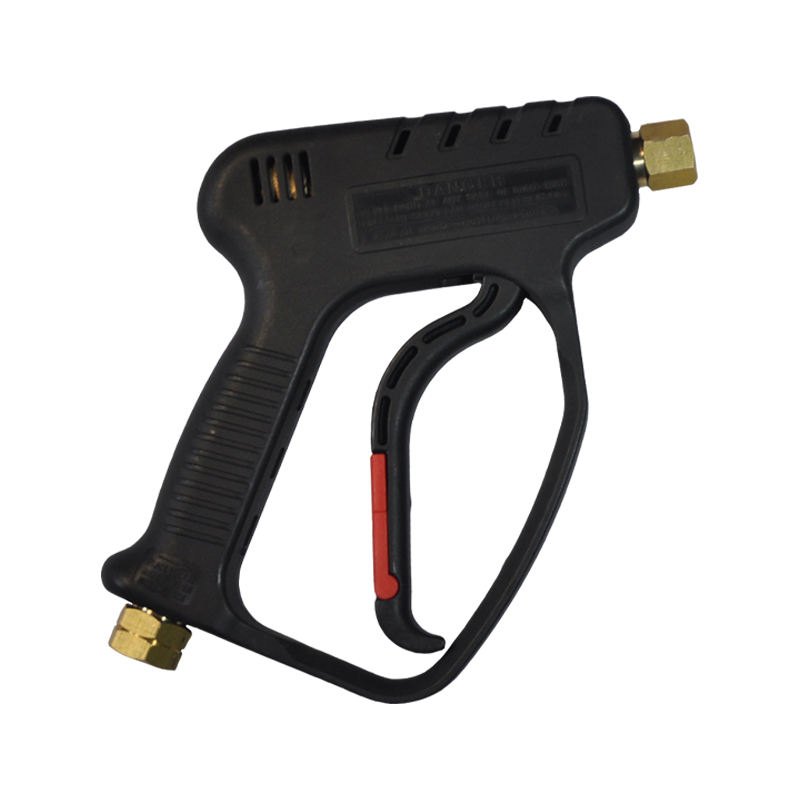
Портативное ручное пистолет с триггерным пушкой изготовлен из высокопрочных инженерных пластмассы и/или металлических материалов, а портативная часть покрыта анти-скользи-резиной для повышения безопас...
Смотрите детали